About Keianna Rae (KR) Harrison-Williams
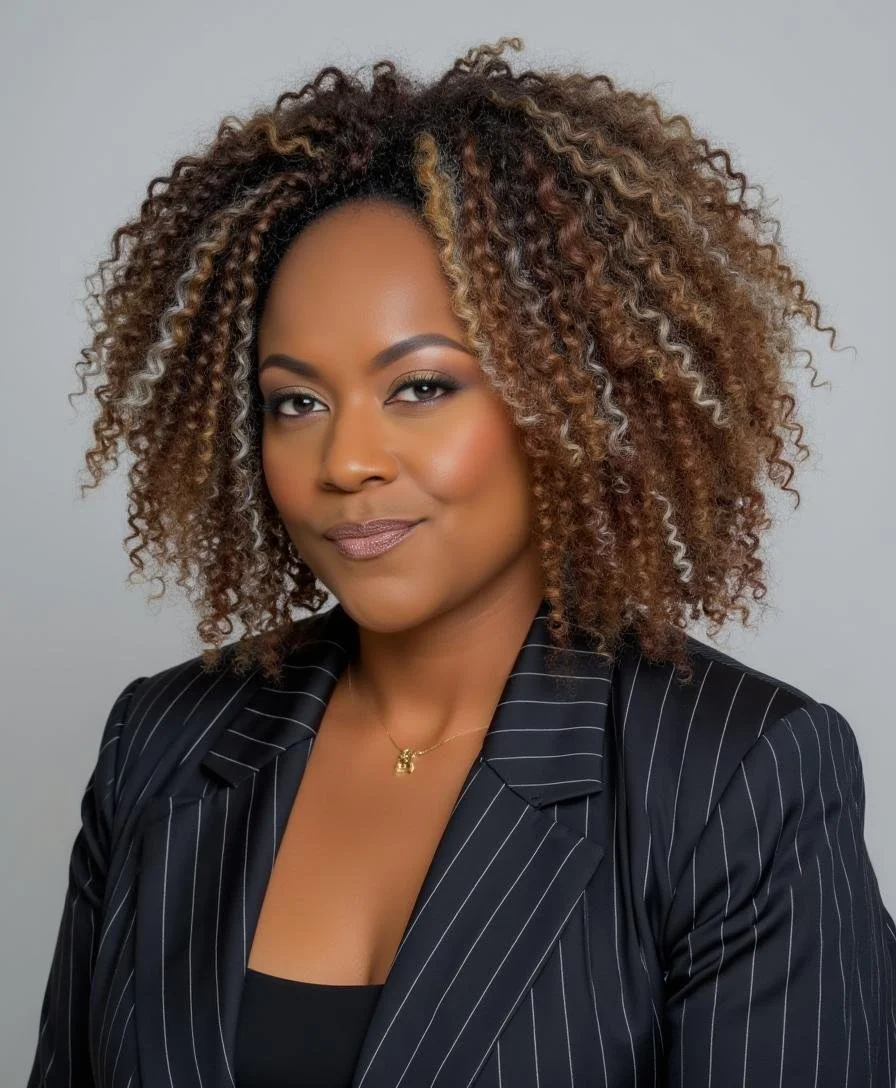
Keianna Rae (KR) Harrison-Williams, MA, CSAYC, is a Clinical Mental Health Counselor in Training and Credentialed Sexually Abusive Youth Clinician whose work focuses on youth behavioral health, child welfare, family systems, trauma, and youth with problematic sexual behaviors.
Her professional background spans behavioral health, child and family services, education, program leadership, and community-based practice. Across those settings, her work has consistently centered children, adolescents, and families navigating behavioral, relational, safety, and system-involvement concerns.
Behavioral Health + Child Welfare Experience
KR’s experience includes school-based behavioral health, outpatient counseling support, day treatment, youth crisis intervention, child welfare, group facilitation, practice leadership, juvenile justice-informed work, and multidisciplinary family support.
Her current work includes family functioning assessment, safety and permanency planning, behavioral health service coordination, multidisciplinary collaboration, and support for court-involved and system-involved families. She works with families facing complex concerns that may include trauma, substance use, domestic violence, behavioral health needs, disrupted family functioning, and significant safety concerns.
A central area of KR’s professional focus is work with youth who demonstrate problematic or harmful sexual behaviors. As a Credentialed Sexually Abusive Youth Clinician, she brings specialized training in accountability, safety planning, caregiver engagement, family-centered intervention, healthy boundaries, trauma, risk reduction, and support for safer relational patterns.
Clinical Direction
KR is currently completing graduate training in Clinical Mental Health Counseling at Butler University and is pursuing the pathway toward Indiana mental health counseling licensure.
Her developing clinical practice is centered on adolescents and families affected by trauma, complex behavioral concerns, family-system challenges, and involvement with child-serving systems. She is particularly interested in helping young people strengthen insight, emotional regulation, empathy, accountability, coping skills, healthy boundaries, and safer patterns of relating to others.
Her clinical perspective is informed by direct work with youth and families as well as experience in systems where behavioral health, child safety, legal involvement, permanency, and family functioning intersect.
Professional Foundation
Before returning fully to behavioral health, KR built experience in education, communication, program leadership, curriculum development, nonprofit management, and community-based work.
That background continues to strengthen her clinical practice through clear communication, systems thinking, thoughtful facilitation, and the ability to translate complex information into practical strategies for youth, families, professionals, and multidisciplinary teams.
KR’s work is grounded in the belief that young people are capable of growth when they are given structure, accountability, meaningful support, and opportunities to develop healthier ways of understanding themselves and relating to others.
Her professional direction continues to deepen around adolescent behavioral health, child welfare, family systems, trauma, and specialized work with youth whose behaviors present complex safety and relational concerns.

Approach
KR’s approach is trauma-informed, strengths-based, culturally responsive, family-centered, and grounded in both accountability and compassion.
She believes effective care requires more than identifying problems. Young people need practical skills, clear expectations, honest feedback, consistent boundaries, and opportunities to develop insight into their behavior and relationships. Families need communication they can understand and strategies they can use outside of a clinical or professional setting.
KR also values collaboration across systems. Complex family concerns rarely exist in isolation, and meaningful progress often depends on behavioral health providers, caregivers, child-serving professionals, schools, courts, and community partners working toward clear and realistic goals.
Professional Focus Areas
Youth crisis support
Juvenile justice-informed work
Court-involved and system-involved families
Outpatient counseling support
Day treatment experience
Family-centered care
Child welfare and family systems
CSAYC-informed youth and family support
Family functioning and safety planning
Emotional and behavioral regulation
Parent and caregiver support
Group facilitation
Speaking, training, and workshops
Youth behavioral health
Trauma-Informed Care
Community leadership
Problematic and harmful sexual behaviors in youth
Children, adolescents, teens, and families
Mental health skills building
Accountability and healthy boundaries